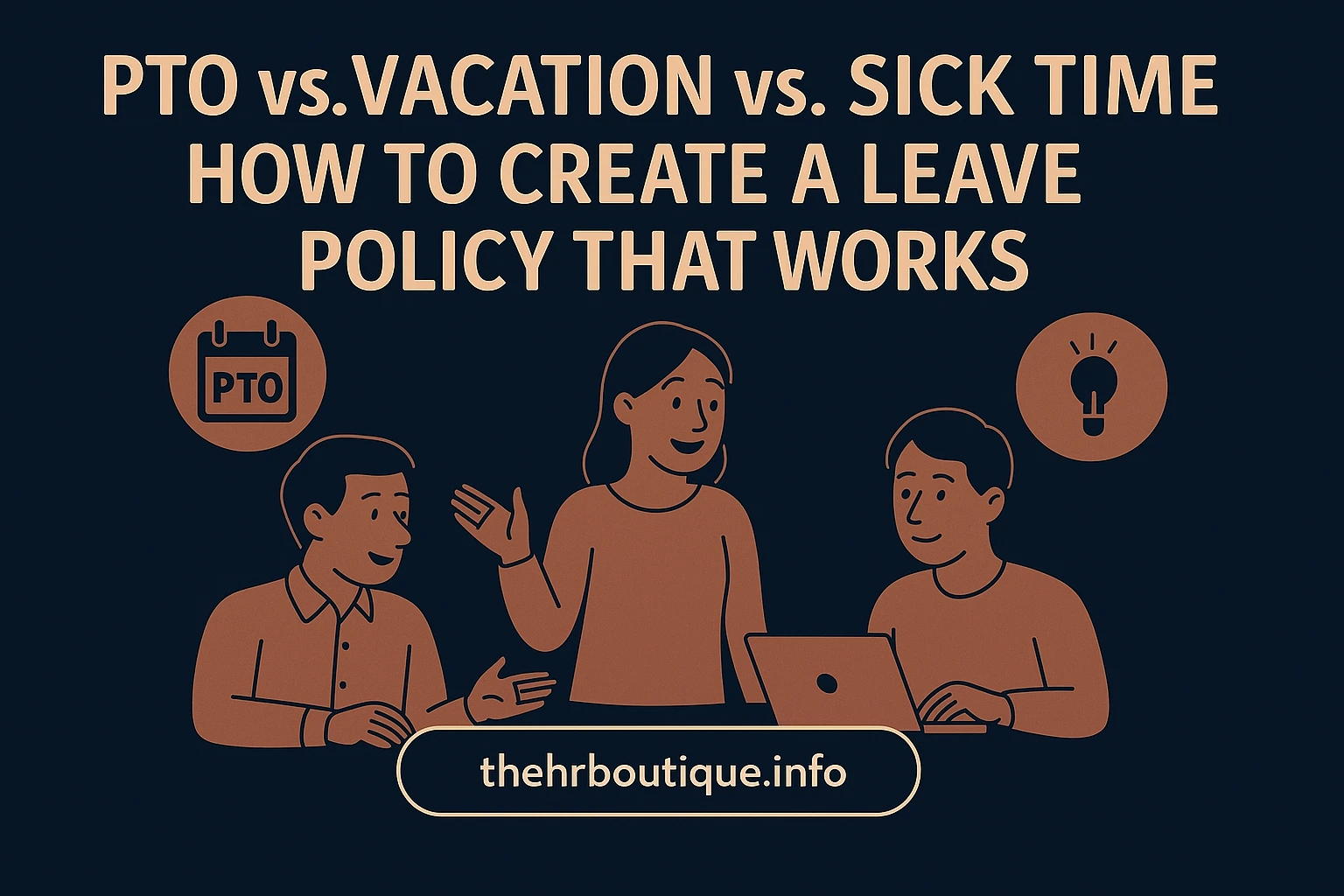
Anyone who manages employee leave requests knows how quickly confusion can take over. When someone asks if they can swap a sick day for a vacation day, it often exposes gaps in your policy you didn’t know existed.
Unclear rules can leave employees unclear about their options. And because of that they might hesitate to take time off, fearing they’ll use the wrong benefit. So requests get delayed or skipped. This makes the employee and managers stressed. Slowing down what should be an easy process.
A clear PTO policy can build trust across your team. People know what’s available and feel confident planning time away. Whether it’s a last-minute sick day or a family holiday.
Simple and well-explained leave policies are the backbone of a healthy workplace. The first step to untangling confusion and making your system work for everyone is knowing exactly what sets PTO, vacation, and sick time apart.
What Does Each Type of Leave Mean?
Understanding leave types sets the stage for a great policy. Paid Time Off (PTO) is a catch-all bank of days that employees can use for any reason vacation, illness, or personal errands. It offers both flexibility and privacy. And makes it easier to request time away without sharing personal details.
Vacation time is for rest, travel, or personal plans. And is usually scheduled in advance so managers can balance workloads and keep projects moving. Sick time on the other hand is meant for illness. Whether it’s the employee or a close family member who’s unwell. Sick days aren’t typically needed without much notice. But if someone is out for several days, a doctor’s note might be needed.
Understanding what each category means can help employees. Knowing what each category means helps employees choose the right option and gives managers a roadmap to approve requests with confidence.
When the rules are clear, everyone feels better about taking time off, and trust grows between teams and leadership.
Difference Between PTO, Vacation, and Sick Time
Each leave type is meant to serve a specific purpose with different rules attached. PTO has the most flexibility and lets employees use time for any reason while protecting their privacy.
This can cut down on paperwork and make time-off planning easy. But sometimes the employees can save PTO for vacations and feel pressured to work when sick. This can lead to burnout and illness.
Vacation time is a little more structured and requires an advanced notice. It requires careful scheduling to keep the business running smoothly. This type of sick time takes into account sudden and unplanned absences.
The payout rules for unused time can vary:
Many companies pay out unused PTO and vacation if someone leaves the company. Rarely is sick time paid out
By laying out all these details in writing, you reduce surprises and make sure everyone knows the process for requesting time off, using days, and understanding what happens if days go unused.
Should You Keep Leave Types Separate or Combine Them?
Creating a policy means choosing whether to put all time off into one PTO bucket or keep vacation and sick days separate.
Combining them makes tracking easier and gives employees flexibility to use their time how they want, without needing to explain why they’re out. This protects privacy but can lead to people coming in sick to save days for holidays, spreading germs and lowering productivity. An effective employee relationship service helps prevent this by encouraging open communication and healthy leave practices.
Keeping leave types separate means employees can always have days set aside for illness. and for planned time off. It allows rest during sickness and helps managers handle unplanned absences.
However, it adds a bit more tracking and can be confusing if people don’t know what’s allowed in each category.
The best choice depends on your business values. Values like flexibility, health, or a balance of both. And what you need to keep your team healthy and the business running.
Other Leave Policy Options
Some organizations blend both models. They may have a PTO bank but require employees to take a set minimum of sick days, supporting a healthier team while meeting legal standards.
Another option is unlimited PTO, letting staff take as much time as they need with manager approval. While this approach sounds attractive, it relies on a culture of trust and clear expectations. Otherwise, some staff might not take enough time off, while others worry about fairness.
Before you commit to any policy, consider:
- Your team size
- How you’ll track requests
- What matters most: employee wellness, coverage, or compliance
Simpler systems mean fewer questions and more confident planning.
Legal Stuff to Know
No matter your policy, you have to follow the law. Paid leave rules change by state and country.
There’s no federal law requiring PTO or paid vacation for private employers, but many states do set standards for sick leave, payout rules, and documentation. Some require you to pay out unused vacation or PTO if an employee leaves.
Staying up to date on these rules is key; a noncompliant policy could cost you fines or lead to legal trouble.
If you’re unsure, check with an HR consultant or legal expert. Keeping your policy compliant shows your employees that you care about their rights while protecting your business from risk.
Tips for a Good Leave Policy
No matter your policy, you have to follow the law. Paid leave rules change by state and country.
There’s no federal law requiring PTO or paid vacation for private employers, but many states do set standards for sick leave, payout rules, and documentation. Some require you to pay out unused vacation or PTO if an employee leaves.
Staying up to date on these rules is key. A noncompliant policy could cost you fines or lead to legal trouble.
If you’re unsure about the legal stuff. You can consult with an HR advice consultant or legal expert. By keeping your policy compliant you show your employees that you care about their rights. And also protects your business from risk.
Conclusion
Make it a habit to review your leave policy annually, adjusting as your business grows or laws change. When your policy is simple, fair, and transparent, you build trust, raise morale, and attract top talent. At The HR Boutique, we help businesses design and maintain leave policies that are both compliant and employee-friendly. A clear system for PTO, vacation, and sick time pays off in fewer headaches for your team and better results for your business in the long run.